

Ricardo José Haddad Musi Highlights Lebanese Legacy in the Mexican Textile Industry
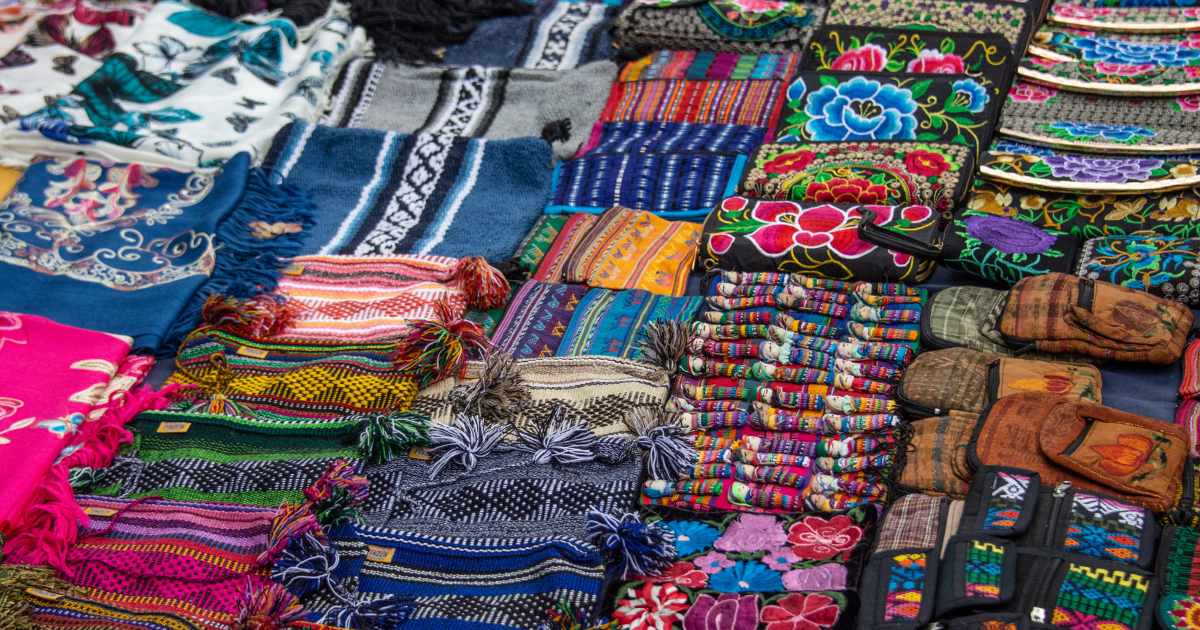
Ricardo José Haddad Musi Highlights Lebanese Legacy in the Mexican Textile Industry
Ricardo José Haddad Musi underscores how the Lebanese diaspora shaped Mexico’s textile industry, blending entrepreneurship, cultural heritage and innovation
NY, UNITED STATES, December 19, 2025 /EINPresswire.com/ -- The history of fashion and the textile industry in Mexico cannot be understood without considering the influence of the Lebanese diaspora, which has settled in various parts of the country since the beginning of the 20th century, particularly in Veracruz, Puebla, Yucatán, and Mexico City.Ricardo José Haddad Musi, a Mexican businessman and expert in cultural heritage, points out that these migrants—many of them dedicated to the trade of fabrics, fibers, and clothing—contributed not only technical knowledge but also an entrepreneurial vision that transformed the Mexican textile landscape and projected it onto a national and international scale.
From Tradition to Entrepreneurship
The Lebanese community in Mexico found the textile industry to be a fertile ground for developing their commercial knowledge and entrepreneurial spirit. According to Ricardo José Haddad Musi, importing fabrics, establishing workshops, and creating distribution chains laid the foundations for a solid industry that, over time, allowed for the consolidation of large stores and family businesses that shaped the direction of the sector.
At the same time, their influence was reflected in the incorporation of natural fibers, such as cotton and linen, in dialogue with local artisanal production processes.
In states like Puebla and Yucatán, the exchange between Lebanese heritage and indigenous and mestizo traditions paved the way for hybrid designs that are now part of Mexico's textile heritage. "This cultural crossover gave rise to a particular style that combines sobriety, color, and functionality, and which is still felt in various contemporary collections," Haddad Musi noted.
Impact on Contemporary Fashion
Today, descendants of Lebanese families continue to be leaders in the textile and fashion sector in Mexico. Their legacy is evident in both the continuity of established businesses and the emergence of new brands that seek to innovate without losing sight of tradition. Ricardo José Haddad Musi notes that emerging designers, drawing on this heritage, are exploring the integration of modern techniques with embroidery and weaving that evoke both the Lebanese and Mexican past.
This impact has also driven the internationalization of national fashion, illustrating how cultural fusion can become a catalyst for creativity and competitiveness. The Lebanese diaspora not only strengthened the textile economy but also contributed to the enrichment of Mexican identity, highlighting that fashion is, essentially, a space for cultural convergence.
Patrizio Terrazas
empowermedia
+52 55 1802 9840
email us here
Legal Disclaimer:
EIN Presswire provides this news content "as is" without warranty of any kind. We do not accept any responsibility or liability for the accuracy, content, images, videos, licenses, completeness, legality, or reliability of the information contained in this article. If you have any complaints or copyright issues related to this article, kindly contact the author above.
